Guanajuato South America Watercolor: A Designer’s Honest Review
First Impressions: Artistic Charm Meets Embroidery Craft
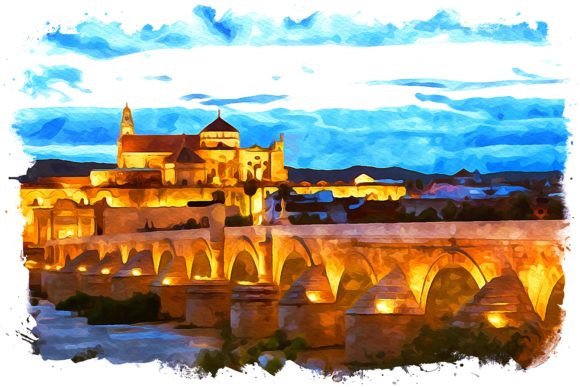
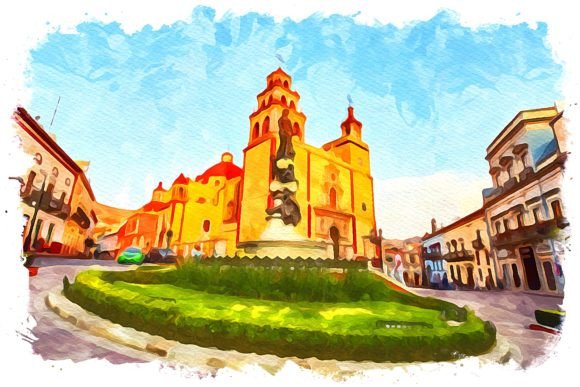
The first time I opened the Guanajuato South America Watercolor design file, I was struck by its soft, painterly quality. It doesn’t scream for attention like bold geometric patterns or intricate monograms. Instead, it whispers with the warmth of a sun-drenched South American landscape, rendered in delicate watercolor strokes and earthy tones. As an embroidery designer, I immediately saw its potential for boutique apparel, custom tote bags, and personalized nursery decor.
This isn’t a design for flashy logos or high-density stitching. It leans into subtlety—soft edges, layered hues, and a sense of motion that mimics brushstrokes. The layout feels organic, like a hand-painted illustration translated into machine embroidery with surprising grace. It's the kind of design that Etsy sellers and small shop owners could easily market as “art-inspired” or “handcrafted with care.”
Real-World Use: From Concept to Stitched Reality
I decided to test it on a few different embroidery projects to see how it holds up beyond the digital preview. My first test was a cotton tote bag—simple, flat surface, perfect for showcasing detailed embroidery. The result was charming. The watercolor effect translated well into satin and fill stitches, especially in lighter thread shades that mimicked the original color palette.
Next, I stitched it onto a sweatshirt. The thicker fabric helped smooth out any minor inconsistencies in stitch density, giving the design a more cohesive look. It worked beautifully as a chest or sleeve placement, adding a touch of artistic flair without overwhelming the garment. For baby clothes, I’d recommend a smaller hoop version, but only if the design scales well—more on that later.
When applied to a patch, the Guanajuato South America Watercolor design took on a new life. It looked like a vintage travel souvenir, perfect for sew-on accessories or boutique gift tags. The soft color transitions helped it blend well with both natural and dyed fabrics, making it versatile for a variety of handmade products.
Where It Shines—and Where to Tread Lightly
If you're planning to use this in a commercial embroidery setting, keep a few things in mind. First, avoid using it on stretchy or thin fabrics. The design’s delicate lines and color blending can get distorted on knits or sheer materials. Stick to tightly woven cottons, canvas, or medium-weight denim for best results.
Dark fabrics also require extra consideration. The watercolor aesthetic relies heavily on subtle gradients and light tones, which can get lost on black or navy backgrounds. If you're set on using it on a dark garment, consider adding a light underlay or adjusting thread colors to maintain visibility.
Curved surfaces like caps or baby booties might not be the best fit unless the design has a simplified version for smaller hoops. Detailed corners and fine lines can get compressed or distorted when stitched on uneven surfaces. Always test on scrap fabric first, especially if you're planning to sell the finished product as part of your craft business.
Design Performance Across Products
Let’s talk about how Guanajuato South America Watercolor performs across different items:
- Custom Apparel: Works well on shirts, jackets, and sweatshirts. The artistic feel makes it ideal for indie brands or handmade fashion lines.
- Tote Bags: A standout choice. The flat surface lets the design breathe, and the watercolor look adds a boutique-level finish.
- Baby Items: Cute on burp cloths or organic onesies, but be cautious with thread color contrast and fabric softness.
- Patches: Looks great as a sew-on or iron-on patch. Perfect for Etsy sellers offering embroidered accessories.
- Pillow Covers: Blends beautifully with neutral home decor. Use a soft stabilizer to prevent puckering.
- Holiday Gifts: Makes a thoughtful embroidered ornament or personalized tea towel. Ideal for holiday markets or craft fairs.
Practical Notes for Embroidery Designers
Here are a few key takeaways for embroidery designers and digital product sellers:
- Always test the design on scrap fabric before committing to a finished product.
- Check thread color contrast—especially if you’re stitching on light versus dark fabric.
- Review stitch density. Some areas may need slight adjustments for optimal coverage without puckering.
- Confirm hoop size compatibility. If you’re using a smaller embroidery machine, make sure the full design fits or that scaled versions are available.
- Inspect small details. If the design includes fine lines or text, ensure they stitch clearly without breaking.
- Test it in black and white mockups to see how it translates to different color schemes.
- Use proper stabilizer. A medium-weight tear-away or wash-away stabilizer works best for this style.
- Check licensing before selling any finished items or digital embroidery files. Make sure you’re covered for commercial use if that’s your plan.
Final Thoughts: Is Guanajuato South America Watercolor Worth It?
If you're an embroidery designer or small business owner looking for a design that feels both artistic and wearable, this one is definitely worth considering. It bridges the gap between illustration and embroidery in a way that feels fresh and modern. Whether you're creating custom apparel, embroidered home goods, or digital design assets for other crafters, Guanajuato South America Watercolor offers a unique visual identity.
It won’t be the best fit for every project, but in the right context—on the right fabric, with the right thread colors—it elevates the handmade look. That’s what matters most when you're building a brand or offering personalized products that stand out. It’s not just a design; it’s a mood, a story, and a design asset that can grow with your creative business.