Potted Plants Watercolor Clipart: A Designer’s Honest Review for Real Embroidery Use
First Impressions: Soft, Lively, and Versatile
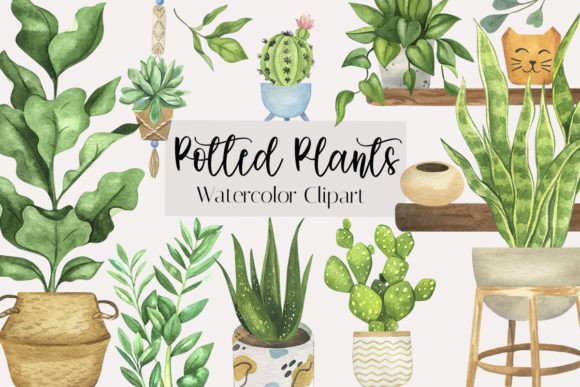
When I first opened the Potted Plants Watercolor Clipart, I was struck by its gentle, organic feel. It’s the kind of design that immediately suggests warmth and handcrafted charm. The watercolor aesthetic gives it a painterly quality, with soft edges and subtle color blending that mimics brush strokes. The composition features a few potted plants in different shapes and sizes, arranged in a way that feels balanced but not overly structured—perfect for that modern botanical vibe.
This isn’t a bold, graphic design. It leans more toward the delicate and expressive, which makes it ideal for projects that aim to feel personal, artistic, or artisanal. Think baby items, nursery decor, boutique tote bags, or embroidered tea towels. It’s the kind of embroidery design that invites a second glance, not because it shouts for attention, but because it quietly fits into a curated handmade aesthetic.
Real-World Use: From Tote Bags to Sweatshirts
I tested Potted Plants Watercolor Clipart on a few different project types to see how it would hold up in real-life embroidery work. First, I stitched it onto a natural cotton tote bag. The result was lovely—soft, earthy, and well-suited for a nature-themed boutique product. The plant illustrations translated well into thread, maintaining their organic flow without looking too rigid.
Next, I used it on a sweatshirt for a custom gift. The watercolor texture held up surprisingly well, especially when I used a few different thread shades to mimic the color blending. It gave the design a dimensional feel that’s hard to achieve with more graphic clipart. That said, it’s not a design that will punch through heavy fleece or textured fabric without some careful stitch planning. The fine details can get lost in thick materials, so I’d recommend it more for medium-weight fabrics like cotton blends or light knits.
For baby clothes, it’s a dream. The softness of the design complements the gentle, comforting nature of infant items. I stitched it onto a onesie and it looked sweet without being overwhelming—perfect for personalized baby gifts or Etsy baby apparel listings.
Where to Use It Carefully
While Potted Plants Watercolor Clipart is versatile, it’s not a one-size-fits-all embroidery design. It has some delicate lines and color gradients that may not hold up well on dark or highly textured fabrics. If you’re planning to use it on a black hoodie, for example, you’ll need to test thread contrast and possibly adjust the design to maintain clarity.
Small hoop sizes can also be a challenge. The design has multiple potted plants arranged in a cluster, so shrinking it down too much can cause detail loss. I wouldn’t go below a 4x4 hoop unless you’re willing to simplify parts of the illustration.
Also, avoid using it on curved surfaces like caps unless you’re confident in your ability to adjust stitch density and stabilizer use. The fine lines and soft edges can distort easily if not properly supported during stitching.
How It Affects the Final Product
From a product value standpoint, this design elevates the handmade feel of any item. It doesn’t scream “mass-produced” like many digital clipart designs do. Instead, it reads as intentional and artistic, which is huge for Etsy sellers or small shop owners trying to build brand recognition.
Stitching clarity is good overall, but again, depends on fabric choice and thread color selection. I found that using a mid-range thread palette helped maintain the watercolor effect without making the design look muddy. It also adds a touch of professionalism to personalized gifts—think embroidered pillows for weddings or custom kitchen towels for bridal showers.
Customer trust is another area where this design shines. Because it feels hand-drawn and unique, buyers are more likely to perceive the finished product as high-quality and thoughtfully made. That’s a big win for creative entrepreneurs trying to stand out in crowded markets.
Practical Designer Notes
Before diving into a full project, I always test embroidery files like Potted Plants Watercolor Clipart on scrap fabric. This helps me catch any issues with stitch density or detail clarity early on. Here are a few key points I picked up during my testing:
- Check thread color contrast—especially if using it on darker backgrounds.
- Review stitch density to avoid puckering on thin or stretchy fabrics.
- Confirm hoop size before stitching to ensure all design elements fit properly.
- Inspect small details like leaf veins or pot textures to see if they translate well into thread.
- Test it in black and white mockups to see how it reads without color cues.
- Compare how it looks on both light and dark fabric backgrounds.
- Use the right stabilizer—especially for stretchy or textured materials.
- Check whether the design works for both personal and commercial embroidery projects.
- Confirm licensing before selling finished items or digital products featuring the design.
Final Thoughts: A Thoughtful Addition to Your Design Library
Potted Plants Watercolor Clipart isn’t the kind of design you grab for a quick, bold statement. It’s more like the quiet, thoughtful piece in your collection that brings warmth and personality to the right project. It works best when paired with natural materials, soft color palettes, and products that benefit from a handcrafted, artisanal feel.
For embroidery designers, Etsy sellers, and craft business owners, this is a solid choice for adding a botanical touch to tote bags, baby clothes, kitchen linens, and boutique apparel. It’s not without its limitations—especially on dark or textured fabrics—but with a bit of planning, it can elevate your finished product and help your brand stand out in a sea of generic clipart.
If you’re looking for a design that feels both modern and timeless, Potted Plants Watercolor Clipart might just be the quiet star of your next embroidery project.