Valentine's Day Watercolor Cliparts: A Designer’s Honest Review for Real Embroidery Use
First Impressions: Soft, Romantic, and Versatile
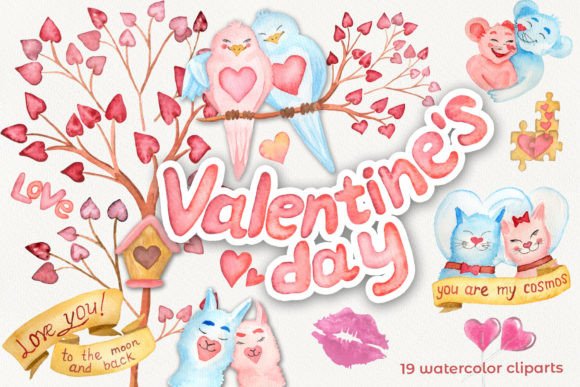
When I first opened the Valentine's Day Watercolor Cliparts set, I was struck by how delicate and expressive the illustrations are. The watercolor aesthetic brings a painterly charm that feels both modern and timeless. The designs feature hearts, florals, abstract splashes, and hand-lettered phrases—all rendered with a soft, flowing texture that mimics actual brush strokes. This makes them perfect for embroidery projects that need a touch of elegance without feeling overly formal.
The layout of each design is well-balanced, with clear focal points and gentle gradients that translate beautifully into stitched form. They carry a warm, inviting mood—ideal for holiday gifts, boutique apparel, or personalized baby items. I immediately started visualizing how these would look stitched onto a blush-pink tote bag or a cozy gray sweatshirt.
Real-World Use: From Sweatshirts to Nursery Decor
Let’s say I’m working on a custom embroidered sweatshirt for a client who wants something romantic but not too literal for Valentine’s Day. These cliparts offer a subtle yet expressive alternative to traditional hearts and Cupids. I’d likely choose one of the floral watercolor motifs and pair it with a soft satin stitch outline to mimic the brushstroke edges.
For baby items—like a personalized burp cloth or a blanket—the gentler color transitions in these illustrations would feel soothing and high-end. I could see these working especially well on gender-neutral items, thanks to their muted tones and abstract nature.
When it comes to embroidered patches or tote bags, the larger compositions in the set hold up well. There’s enough detail without being overwhelming, and the open spaces in the watercolor strokes help prevent the design from looking too dense once stitched. This is a big plus for both visual appeal and stitch time efficiency.
Where to Use with Care: Fabric, Placement, and Detail Sensitivity
One thing I always test with watercolor-style embroidery is how it reads on textured or stretchy fabrics. These designs rely on subtle shading and soft edges, which can get lost on thick fleece or distorted on knits. If you’re using Valentine's Day Watercolor Cliparts on a sweatshirt, make sure to use a medium-weight stabilizer and test on a swatch first.
Dark fabrics are another consideration. The light color washes in the illustrations might not stand out as clearly on black or navy backgrounds. I’d recommend either choosing a design with a defined edge or testing a mockup in black and white to see how the contrast holds up.
Also, be cautious with curved surfaces like caps or detailed corners. The soft watercolor strokes can lose clarity when stitched around tight curves or on smaller hoop sizes. If you’re working with a limited hoop size, opt for one of the simpler motifs in the collection rather than the more complex floral arrangements.
Impact on Product Appeal and Customer Perception
These cliparts definitely elevate the handmade presentation of any project. The artistic feel of watercolor adds a level of sophistication that customers often associate with premium, boutique-style goods. Whether you're creating personalized gifts or small shop products, this kind of design can help justify a higher price point and increase perceived value.
From a branding perspective, these illustrations are versatile enough to fit into multiple niches—romantic gifts, modern nursery decor, or even seasonal Etsy listings. They offer a cohesive visual personality that can help unify a product line, especially around the Valentine’s season.
One thing I noticed is how well these designs photograph. The soft edges and painterly textures translate beautifully into digital mockups, which is a huge plus for online sellers. A well-shot embroidered pillow cover or tea towel featuring one of these motifs could easily catch the eye of potential buyers browsing Etsy or Instagram.
Designer Notes: Practical Tips Before You Stitch
Before diving into a project with Valentine's Day Watercolor Cliparts, here are a few practical checks I always run through:
- Test on scrap fabric to see how the watercolor textures translate into stitches.
- Check thread color contrast—especially if you’re digitizing your own version of the design.
- Review stitch density to ensure the soft look isn’t lost in overly tight fills.
- Confirm hoop size compatibility, especially for the more detailed illustrations.
- Inspect small details like lettering or fine brush strokes to ensure they’ll stitch cleanly.
- Try black and white mockups to evaluate contrast and clarity before finalizing placement.
- Compare light and dark fabric backgrounds to see which versions of the design stand out best.
- Use the right stabilizer—especially for stretchy or textured materials.
- Verify licensing if you're planning to sell finished items or digital embroidery files.
These are especially important if you're using the cliparts in a commercial embroidery project or digital product bundle. Even though the illustrations are vector-based, translating them into machine embroidery files requires careful attention to stitch types like satin stitch, fill stitch, and running stitch to preserve the original aesthetic.
Final Thoughts: A Thoughtful Addition to Your Embroidery Design Toolkit
Overall, the Valentine's Day Watercolor Cliparts offer a unique blend of artistry and usability. They’re not just seasonal decorations—they’re flexible enough to be used year-round with a bit of creative reimagining. Whether you're a craft business owner, Etsy seller, or embroidery hobbyist, these designs can help elevate your handmade products and digital offerings alike.
Just remember to treat them like any high-detail embroidery file: test, adjust, and plan before committing to your final project. When used thoughtfully, these cliparts can turn a simple embroidered item into a standout piece that customers remember and love.