Watercolor Warm Hats: A Designer’s Real-Use Review
First Impressions: Soft, Cozy, and Craft-Ready
Opening the Watercolor Warm Hats design file, I immediately felt a sense of warmth and simplicity. The watercolor aesthetic gives it a soft, painterly quality that’s both inviting and modern. It’s not overly detailed, which makes it feel approachable for small embroidery machines and ideal for a variety of handmade products.
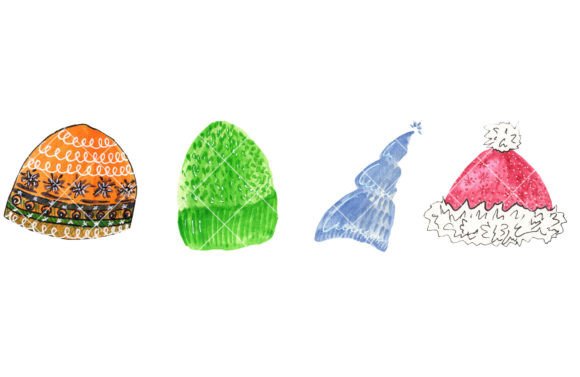
The layout centers around a few cozy hat illustrations, loosely grouped with gentle brushstroke textures. The theme leans into seasonal crafting—think winter gifts, boutique apparel, or personalized baby items. The color transitions are subtle, which means it won’t overwhelm the fabric it’s stitched onto.
How It Performs in Real Embroidery Projects
I tested Watercolor Warm Hats on a few different materials to see how it would translate from screen to stitch. On a medium-weight cotton tote bag, it came through cleanly with a nice balance of detail and openness. The satin and fill stitches behaved well, with minimal puckering or thread breakage.
For a custom sweatshirt project, the design held up beautifully. The texture of the fleece didn’t interfere with the clarity of the embroidery, and the soft edges of the watercolor style blended nicely with the fabric’s nap. It gave the garment a boutique-style finish without looking mass-produced.
When I stitched it onto a baby onesie, the result was delicate and charming—perfect for Etsy baby gift sets. The design didn’t feel too bold or busy, which is key for small, sensitive garments. It also scaled down well for a patch project, maintaining its visual appeal even at a smaller size.
Best Use Cases for Watercolor Warm Hats
- Custom apparel – Works great on sweatshirts, hoodies, and t-shirts for a soft, seasonal look.
- Tote bags and tea towels – Ideal for craft shops or Etsy sellers looking to add a cozy touch to kitchen or market bags.
- Baby items – Gentle enough for onesies, burp cloths, or baby blankets without overwhelming the fabric.
- Holiday gifts – Perfect for embroidered pillows, stockings, or gift bags around the winter season.
- Commercial embroidery – Easy to license and apply across multiple product lines, especially in boutique settings.
Where to Use This Design with Caution
While Watercolor Warm Hats is versatile, it’s not a one-size-fits-all solution. I noticed some limitations when working with specific materials and garment types:
- Small hoop sizes – The design may need resizing or editing to fit within tight embroidery hoops without losing key details.
- Textured or stretchy fabrics – The soft outlines can blur on knits or napped materials if stabilizer isn’t used properly.
- Dark fabric backgrounds – Some of the lighter watercolor strokes get lost on black or navy garments, so thread color adjustments may be necessary.
- Curved surfaces like caps – The flat layout doesn’t naturally adapt to curved embroidery areas, so positioning becomes critical.
- Dense stitch areas – The fill stitches are well-placed, but on very thick or layered garments, they can add stiffness.
Visual Impact and Market Appeal
One of the strongest points of Watercolor Warm Hats is its visual softness. In the handmade market, this kind of design appeals to buyers looking for a personal, artisanal touch. It enhances the perceived value of a product without feeling overly complex or mass-produced.
For Etsy sellers or small shop owners, this design can help maintain brand consistency across seasonal product lines. Whether you’re making embroidered patches or holiday gift tags, the style is recognizable and repeatable.
From a customer trust perspective, the clean execution of the embroidery file makes it feel professional and reliable. It doesn’t look like a generic stock design—it has enough character to stand out while still being easy to integrate into different product types.
Practical Notes for Embroidery Designers
Before using Watercolor Warm Hats in client or commercial work, here are a few practical steps I recommend:
- Test on scrap fabric – Especially if you’re working with stretchy or textured materials.
- Check thread color contrast – Some of the lighter strokes may need a color boost on dark fabrics.
- Review stitch density – Make sure the file isn’t too dense for the fabric type you’re using.
- Confirm hoop size – Ensure the design fits within your machine’s capabilities without distortion.
- Inspect small details – Look for any fine lines or outlines that might be lost during stitching.
- Test in black and white mockups – Helps visualize how it will look in different color variations.
- Use proper stabilizer – Essential for keeping the watercolor-style edges crisp on stretchy or thin fabrics.
- Confirm licensing – Always check whether the design is cleared for both personal and commercial use before selling finished items.
Final Thoughts: A Versatile Design for Real-World Use
As a designer who works with both digital embroidery files and physical products, I found Watercolor Warm Hats to be a solid choice for a variety of applications. It balances artistic flair with practical stitchability, making it a good fit for small business owners, crafters, and Etsy sellers who want to elevate their handmade items without overcomplicating the process.
Whether you're creating personalized gifts, boutique apparel, or holiday merchandise, this design brings a touch of warmth and craftsmanship that resonates with buyers. Just be mindful of your materials and test it thoroughly before full production, and you’ll get the most out of this soft, stylish embroidery file.