Watercolor Fox Illustration Elements: A Visual Designer’s Review for Content Publishers
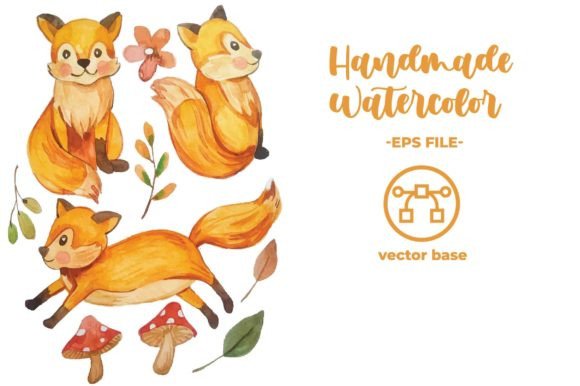
As a blog designer and digital publisher who works with content creators across niches—from lifestyle bloggers to affiliate marketers—I’m always on the hunt for design assets that elevate editorial quality without complicating the workflow. The Watercolor Fox Illustration Elements pack immediately caught my eye for its soft, artistic aesthetic and versatile application across real publishing projects. Let me walk you through how this set of illustrations can support your blog graphics, newsletter headers, and digital content marketing visuals.
First Impressions: Artistic, Feminine, and Lifestyle-Friendly
The first thing I noticed about the Watercolor Fox Illustration Elements is the hand-painted texture and organic flow of the illustrations. The foxes are stylized with a gentle, whimsical touch that leans into a lifestyle or creative niche. These illustrations feel best suited for blogs or digital products that embrace a feminine, artistic, or nature-inspired editorial tone.
If you run a blog focused on journaling, self-care, creative entrepreneurship, or seasonal content planning, this asset can help set the right visual mood. It's not overly bold or minimalist, so it works best when your brand voice is warm, approachable, and expressive.
Real Use Cases for Bloggers and Digital Publishers
Let’s talk practicality. As someone who builds content systems for real websites, I test every design asset in actual publishing scenarios. Here’s where I found the Watercolor Fox Illustration Elements truly shine:
- Blog Featured Images: Placing a fox illustration as a subtle background accent or as part of a custom header gives your post a unique, branded feel.
- Pinterest Graphics: These illustrations work well as visual anchors in Pinterest pins, especially when paired with soft color palettes and script fonts.
- Newsletter Headers: They bring warmth and personality to email banners, helping your newsletter stand out in a crowded inbox.
- Downloadable Printables: Whether it's a seasonal planner or a creative journal template, these illustrations add a decorative but not overwhelming touch.
- Canva Templates: For content creators who rely on drag-and-drop design tools, this asset integrates smoothly into pre-built Canva layouts for social media or lead magnets.
How These Illustrations Improve Content Performance
Visuals aren’t just decoration—they’re part of your content’s performance engine. Here’s how integrating the Watercolor Fox Illustration Elements into your design workflow can support your content strategy:
- Stronger First Impressions: A unique, hand-crafted look helps your blog or digital product stand out in a sea of stock imagery.
- Clearer Visual Hierarchy: These illustrations can act as visual cues that guide the reader’s eye through your layout.
- Higher Click-Through Rates: On Pinterest and social media, these illustrations can increase engagement by offering a fresh, non-generic look.
- Consistent Branding: When used across your blog, guides, and emails, they reinforce a cohesive brand identity.
- Improved Reader Trust: Professionally designed graphics signal quality and care, which in turn builds trust with your audience.
Where Watercolor Fox Illustration Elements Work Best
Based on real testing across blog layouts and digital products, here are the publishing environments where these illustrations perform strongest:
- Hero Images: Use them as a background accent in a hero section to add texture without overpowering your headline.
- Article Thumbnails: They make great accents in featured image designs, especially when styled with soft filters or overlays.
- Editorial Accents: Perfect for breaking up long-form content or highlighting key points in a digital guide or worksheet.
- Newsletter Headers: Adds a personal, creative touch to your email branding.
- Social Media Previews: Ideal for Instagram Stories or Facebook posts that need a softer, more artistic vibe.
Where to Use Them Carefully
While these illustrations are versatile, they’re not a one-size-fits-all solution. Here are some situations where you may want to use them with caution:
- Small Mobile Thumbnails: The fine details may get lost on tiny screens.
- Text-Heavy Blog Images: The watercolor textures can compete with headline copy if not layered properly.
- Low-Contrast Backgrounds: Always test readability when placing over light or busy backgrounds.
- Busy Layouts: Avoid using them in already complex designs where visual clarity is key.
- Corporate or Minimalist Niches: These illustrations are better suited for creative or lifestyle brands than for serious professional environments.
Publisher Notes: Practical Testing Before Deployment
Before rolling out any graphic design asset across your content ecosystem, I recommend doing the following:
- Test on Desktop and Mobile Screens: Ensure the illustrations remain legible and impactful across devices.
- Preview in Real Blog Layouts: Don’t just view them in isolation—see how they look within your actual WordPress theme or website builder.
- Try with Headline Text: Overlay them with different fonts (serif, sans serif, script, display) to test contrast and readability.
- Check File Size: Optimize for web performance by compressing the images without losing quality.
- Confirm Licensing: Make sure the illustrations come with a commercial license if you're using them on monetized pages or affiliate marketing content.
Final Thoughts for Bloggers and Content Creators
The Watercolor Fox Illustration Elements are more than just pretty graphics—they’re a design tool that can enhance your blog’s visual identity, support your content marketing efforts, and add personality to your digital products. Whether you're creating a new Canva template system, designing a lead magnet, or building a seasonal editorial calendar, this asset offers a soft, artistic touch that feels both modern and timeless.
If your brand leans into creativity, lifestyle, or seasonal storytelling, this set of illustrations is worth considering as part of your ongoing editorial design toolkit. Just remember to test, optimize, and integrate them thoughtfully into your publishing workflow for maximum impact.