Watercolor Clipart Gift of the Forest: A Designer’s Review for Local Branding & Packaging
First Impressions: Organic, Soft, and Seasonal Branding Potential
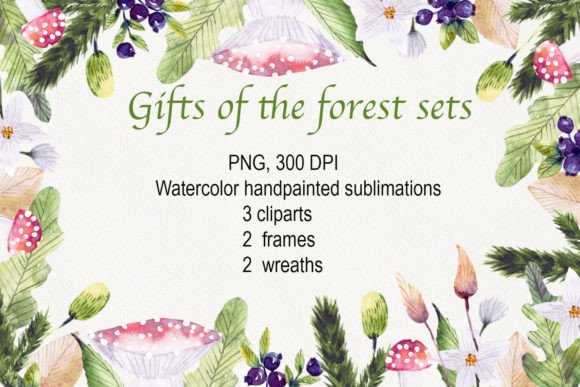
Opening the Watercolor Clipart Gift of the Forest, I immediately felt a sense of warmth and nature. The soft, flowing brushstrokes and earthy tones suggest a brand personality that’s organic, artisanal, and approachable. This isn’t a bold or flashy design asset—it’s more about gentle storytelling, perfect for small businesses that want to convey authenticity, craftsmanship, and connection to nature.
For a local skincare brand or handmade soap business, these illustrations could help create a visual language that feels personal and rooted in the natural world. The watercolor textures also lend a subtle sophistication that works well for boutique shops, seasonal product packaging, and eco-conscious brands.
Real-World Application: From Product Labels to Social Media
One of the biggest strengths of Watercolor Clipart Gift of the Forest is its versatility across design formats. I recently worked on a branding project for a small candle brand, and I tested this asset across multiple touchpoints:
- Packaging design: Used as a background accent on kraft paper labels, the clipart gave a warm, artisanal feel that stood out on retail shelves.
- Product mockups: Applied to candle boxes and tissue paper, the illustrations enhanced the product’s seasonal appeal, especially when paired with soft pastel hues.
- Social media graphics: Resized and layered into Instagram posts, the artwork brought a cohesive visual theme to the brand’s feed and stories.
- Printable inserts: Included in thank-you cards and packaging inserts, the illustrations helped reinforce the brand’s personality and create a memorable unboxing experience.
It also worked surprisingly well in digital formats—especially in Canva templates where quick edits and visual consistency are key for small business owners managing their own marketing visuals.
How It Elevates Brand Presentation
Using Watercolor Clipart Gift of the Forest in a local business’s design system can do more than just look pretty—it can actually improve how the brand is perceived and remembered. Here’s how:
- Stronger first impression: The natural motifs and soft textures create an immediate emotional connection with customers.
- Better product recognition: Unique visual elements help differentiate products in competitive markets like handmade goods or natural skincare.
- Clearer visual hierarchy: The illustrations can guide the eye without overpowering key text or branding elements.
- Consistent brand identity: When used across packaging, social media, and print materials, the artwork builds visual continuity.
- Improved customer trust: A cohesive, professional design signals reliability and attention to detail—important for small businesses building credibility.
Where It Works Best
This graphic design asset shines in the following applications:
- Product labels: Especially for organic, seasonal, or limited-edition items.
- Packaging accents: Perfect as corner flourishes or background textures.
- Hero graphics: Great for seasonal promotions or product launches.
- Decorative brand elements: Ideal for adding warmth to thank-you cards, hang tags, or business cards.
- Social media campaign visuals: Works beautifully in carousel posts, seasonal banners, and brand storytelling graphics.
For a local florist or boutique shop, these illustrations could become part of a signature visual identity that customers instantly recognize and associate with quality and care.
Where to Use It Carefully
While versatile, Watercolor Clipart Gift of the Forest isn’t a one-size-fits-all solution. It should be used thoughtfully in the following contexts:
- Formal corporate branding: The soft, organic style may not align with high-end or luxury brands that prefer minimalist aesthetics.
- Very small labels: The intricate details can get lost on tiny packaging like spice jars or tea bags.
- Crowded product packaging: In layouts with a lot of text or icons, the clipart might compete for attention.
- Ingredient-heavy layouts: Not ideal for food labels or skincare packaging where clarity is key.
- Low-contrast backgrounds: The watercolor effect may fade into light or busy backgrounds, reducing visual impact.
Practical Designer Notes for Real Business Use
Before integrating Watercolor Clipart Gift of the Forest into client work or small business branding, here are some essential checks I always run:
- Test it on real packaging mockups: See how it looks printed on kraft paper, glossy stock, or matte labels.
- Check black and white usage: Some watercolor textures lose their charm when printed in monochrome.
- Preview it on small labels: Ensure details remain legible at reduced sizes.
- Test it with brand colors: Confirm the palette complements your brand’s primary color scheme.
- Compare with competitor packaging: Avoid visual overlap in saturated markets like candles or artisan foods.
- Check print quality: Look for pixelation or loss of detail when scaled up.
- Review PNG transparency: Make sure the edges are clean and blend well with backgrounds.
- Inspect SVG or vector editability: If vector files are included, test their editability in Adobe Illustrator or other design tools.
- Test with different fonts: Pair the clipart with serif, sans-serif, script, and display fonts to ensure typographic harmony.
- Confirm commercial licensing: Always verify that the asset is approved for commercial use, especially if you’re designing for a client or selling physical products.
Final Thoughts: A Thoughtful Addition to Any Local Brand Designer’s Toolkit
Watercolor Clipart Gift of the Forest isn’t just another clipart download—it’s a storytelling tool for local businesses that want to build a warm, authentic, and memorable brand identity. Whether you're designing product labels for a small batch honey brand or crafting seasonal packaging for a boutique candle shop, this asset can elevate your creative work and help your client stand out.
As a brand designer, I appreciate how it bridges the gap between editorial illustration and commercial design. It’s flexible enough for digital use and rich enough for print—making it a solid investment for any small business owner, packaging designer, or creative entrepreneur looking to enhance their visual presence.