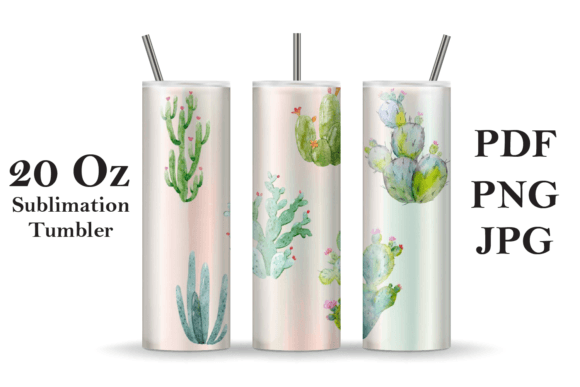
Watercolor Cactus Illustrations for Modern Blog Design and Editorial Use
As a blog designer and digital publisher with years of experience crafting visually cohesive content ecosystems, I recently explored the Watercolor Cactus Digital Sublimation graphic design asset and found it to be a versatile option for bloggers, content creators, and small business owners looking to elevate their visual storytelling. Whether you're designing a blog post header, a Pinterest pin, or a downloadable lead magnet, this illustration set brings a soft, artistic flair that can enhance the editorial tone of your digital content.
First Impressions: A Fresh, Artistic Vibe
The first thing I noticed about the Watercolor Cactus Digital Sublimation was its gentle, hand-painted aesthetic. The watercolor texture gives it a soft, approachable feel that’s ideal for lifestyle blogs, wellness content, or creative entrepreneurial niches. It doesn't scream bold or industrial; instead, it leans into a more feminine, artistic, and modern design language that works especially well in niches like interior design, plant-based living, or slow living content.
From a visual communication standpoint, this design asset immediately sets a calm, inviting mood. It's not overly decorative, which helps maintain readability and editorial clarity when used alongside text or as part of a larger layout.
Perfect for Content Creators and Bloggers
If you're a content creator building a blog or affiliate marketing site, the Watercolor Cactus Digital Sublimation offers a lot of flexibility. Here are a few real-world publishing use cases where this graphic design asset shines:
- Blog featured images – Adds a natural, organic feel to article headers
- Pinterest pins – Works beautifully as a background or accent in vertical graphics
- Newsletter headers – Brings warmth and visual interest to email banners
- Lead magnet visuals – Enhances the perceived value of downloadable guides or worksheets
- Digital guides and eBooks – Provides a consistent visual theme across editorial layouts
- Canva templates – Serves as a ready-made design element for social media or blog graphics
How It Supports Content Performance
Visual consistency is key to building reader trust and improving content engagement. The Watercolor Cactus Digital Sublimation helps support content performance in several key ways:
- Stronger first impression – The soft, natural aesthetic makes blog headers and thumbnails more inviting
- Clearer visual hierarchy – Its subtle texture can be layered behind text without overwhelming the message
- Better click-through potential – Especially effective in Pinterest-driven traffic due to its organic, lifestyle-focused look
- Consistent branding – Can be reused across multiple content formats to reinforce brand identity
- Improved reader trust – Professional design assets signal quality and attention to detail
- Stronger visual identity – Helps establish a cohesive theme across blog posts, social media, and digital products
Where This Design Asset Excels
The Watercolor Cactus Digital Sublimation works best in visual contexts that benefit from a soft, artistic touch. Here are the top use cases where it delivers the most impact:
- Hero images – Especially effective on landing pages or niche-specific blog categories
- Article thumbnails – Ideal for nature, lifestyle, or DIY content
- Pinterest graphics – Its organic look performs well in visual discovery platforms
- Newsletter headers – Adds warmth and personality to email branding
- Content upgrades – Perfect for enhancing downloadable resources like checklists or printables
- Social media previews – Brings a cohesive visual theme to Instagram stories or Facebook posts
When to Use It with Care
While the Watercolor Cactus Digital Sublimation is a strong design asset, there are situations where it may not be the best fit:
- Small mobile thumbnails – The watercolor texture can get lost at smaller sizes
- Text-heavy blog images – May reduce readability if not layered carefully
- Low-contrast backgrounds – Needs careful pairing with fonts to maintain legibility
- Busy layouts – Can clash with other design elements if overused
- Corporate or serious professional niches – Not ideal for legal, financial, or technical content
- Minimalist design systems – Better suited for brands that lean into organic or lifestyle aesthetics
Publisher’s Checklist: Practical Design Notes
Before incorporating the Watercolor Cactus Digital Sublimation into your content marketing strategy, here are some practical steps to ensure it works well across your publishing platforms:
- Test it on desktop and mobile screens – Make sure it scales well and maintains clarity
- Preview it inside a real blog layout – See how it integrates with your theme and typography
- Try it with headline text – Ensure contrast and readability are strong
- Check how it looks in black and white – Some watercolor textures can lose impact when desaturated
- Pair it with different fonts – Test with serif, sans-serif, script, and display fonts to find the best match
- Review file size for web performance – Optimize for fast loading times, especially on image-heavy pages
- Confirm commercial licensing – Always verify that you have the right to use the asset on monetized content or affiliate marketing pages
Final Thoughts: A Smart Addition to Your Design Toolkit
For bloggers, digital marketers, and small business owners who want to elevate their editorial content without overcomplicating their design workflow, the Watercolor Cactus Digital Sublimation is a smart, flexible graphic design asset. Whether you're building a new Canva template library, designing a digital guide, or crafting a series of Pinterest pins for content promotion, this illustration set can help you create a more polished, professional, and clickable visual experience for your audience.
Its soft, artistic texture supports a wide range of content types, especially those that lean into lifestyle, wellness, or creative entrepreneurship. Just remember to use it thoughtfully—especially when layering text or integrating it into complex layouts. With the right application, it can become a key part of your brand’s visual identity and content strategy.