Bubble Gum Machine Watercolour Graphic: A Designer’s Real-World Review
First Impressions: Playful, Nostalgic, and Perfectly Soft
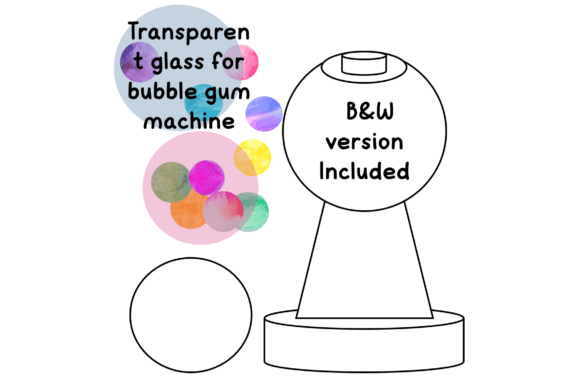
The Bubble Gum Machine Watercolour Graphic immediately caught my eye with its whimsical charm and painterly texture. It’s got that retro candy shop vibe—bright, fun, and slightly blurred, like a memory from childhood. The watercolour effect gives it a softness that’s hard to find in typical vector-style embroidery graphics. It feels like the kind of design that would look great on a boutique tote or a personalized baby bib. But does it hold up under the needle?
Real-World Use: From Concept to Stitched Reality
I tested Bubble Gum Machine Watercolour Graphic on a few different embroidery projects: a cotton tote bag, a lightweight sweatshirt, and a linen pillow cover. The first thing I noticed was how well the design translated from screen to stitch. The watercolour washes and gradients weren’t overly detailed, which is a smart design choice. It avoids the common pitfall of looking muddy when stitched densely.
On the tote, it added a hand-painted flair that elevated the overall look. On the sweatshirt, it blended well with the soft fabric texture, giving it a boutique-style finish. And on the pillow? It felt like a subtle statement piece—just enough to draw the eye without overwhelming the space.
Who’s This Design For?
If you're an Etsy seller, small shop owner, or craft business creator, Bubble Gum Machine Watercolour Graphic is a solid addition to your digital embroidery file collection. It’s especially well-suited for:
- Custom tote bags for boutique branding
- Personalized baby clothes or nursery decor
- Handmade holiday gifts with a soft touch
- Wedding favors or bridal shower items
- Women’s apparel with a vintage-inspired twist
It also works well as a digital product preview or printable mockup asset, especially if you're marketing watercolour-style embroidery kits or digital downloads.
Where to Be Careful: Fabric, Size, and Detail Sensitivity
As with any watercolour-styled embroidery file, Bubble Gum Machine Watercolour Graphic requires a bit of thoughtful handling. Here’s where to tread lightly:
- Small hoop sizes: This design doesn’t scale down well without losing its visual impact. Tiny corners and soft edges get lost in smaller formats.
- Dark fabrics: The lighter watercolour tones can disappear on black or navy backgrounds. Consider adding a light underlay or testing on a mockup first.
- Stretchy or textured fabrics: Satin and fill stitch transitions may pucker or distort slightly on knits or terry cloth. Use proper stabilizer and test stitch first.
- Curved surfaces: Caps or curved patches may flatten the design’s soft dimensionality. Adjust hoop positioning or simplify placement if needed.
Also, be cautious with dense stitch areas. While this design avoids excessive density, it still benefits from checking thread color contrast and stitch clarity on your chosen fabric.
Impact on Product Value and Customer Perception
One of the biggest wins with Bubble Gum Machine Watercolour Graphic is its ability to elevate a basic item into something handmade and meaningful. Whether it’s stitched onto a linen tea towel or a cotton baby onesie, the design adds a touch of artistry that customers notice.
From a branding perspective, it works well for sellers aiming for a soft, approachable aesthetic. It’s recognizable without being too loud—ideal for Etsy sellers or boutique shops that want to stand out with curated, thoughtful designs.
It also boosts giftability. The nostalgic candy machine theme makes it a natural fit for personalized gifts, especially when paired with names or dates. I could easily see this design turning a standard embroidered sweatshirt into a memorable keepsake.
Practical Notes for Embroidery Designers
Here are a few tips I picked up while working with Bubble Gum Machine Watercolour Graphic:
- Test on scrap fabric: Always test before stitching on your final product. This is especially important with watercolour-style files that rely on texture and contrast.
- Review stitch density: Ensure the design isn’t too heavy for your fabric type. Lighten fill areas if needed.
- Check thread color contrast: The subtle washes may require richer thread tones to stand out clearly.
- Confirm hoop size: Match the file to your hoop dimensions to avoid distortion or cropping.
- Use proper stabilizer: A medium-weight tear-away or wash-away stabilizer works best for maintaining design clarity.
- Test in black and white: This helps assess contrast and readability, especially for dark fabric applications.
- Review licensing: If you’re selling finished products or digital embroidery files, confirm the licensing terms before use.
Final Thoughts: A Versatile Embroidery Design with Personality
Bubble Gum Machine Watercolour Graphic isn’t just another machine embroidery design—it’s a design with personality. It brings a sense of nostalgia and softness that’s hard to replicate with standard vector files. Whether you’re creating custom apparel, embroidered patches, or small shop products, this design can add a unique touch that customers appreciate.
For creative entrepreneurs, Etsy sellers, and embroidery designers, it’s a versatile tool that works across multiple product types. Just be mindful of fabric choices, hoop sizes, and stitch clarity, and you’ll get the most out of this charming design asset.